November 5, 2026
Industrial powder coating stands out as a premier method for ensuring metal surfaces remain resilient and aesthetically appealing. Its importance is underscored by the increasing demand for durable and environmentally responsible methods of metal protection. This article delves into the various facets of powder coating, offering insights into its processes, benefits, challenges, safety standards, and future trends, underscoring its pivotal role in modern industry.
Understanding Powder Coating
Definition and Process
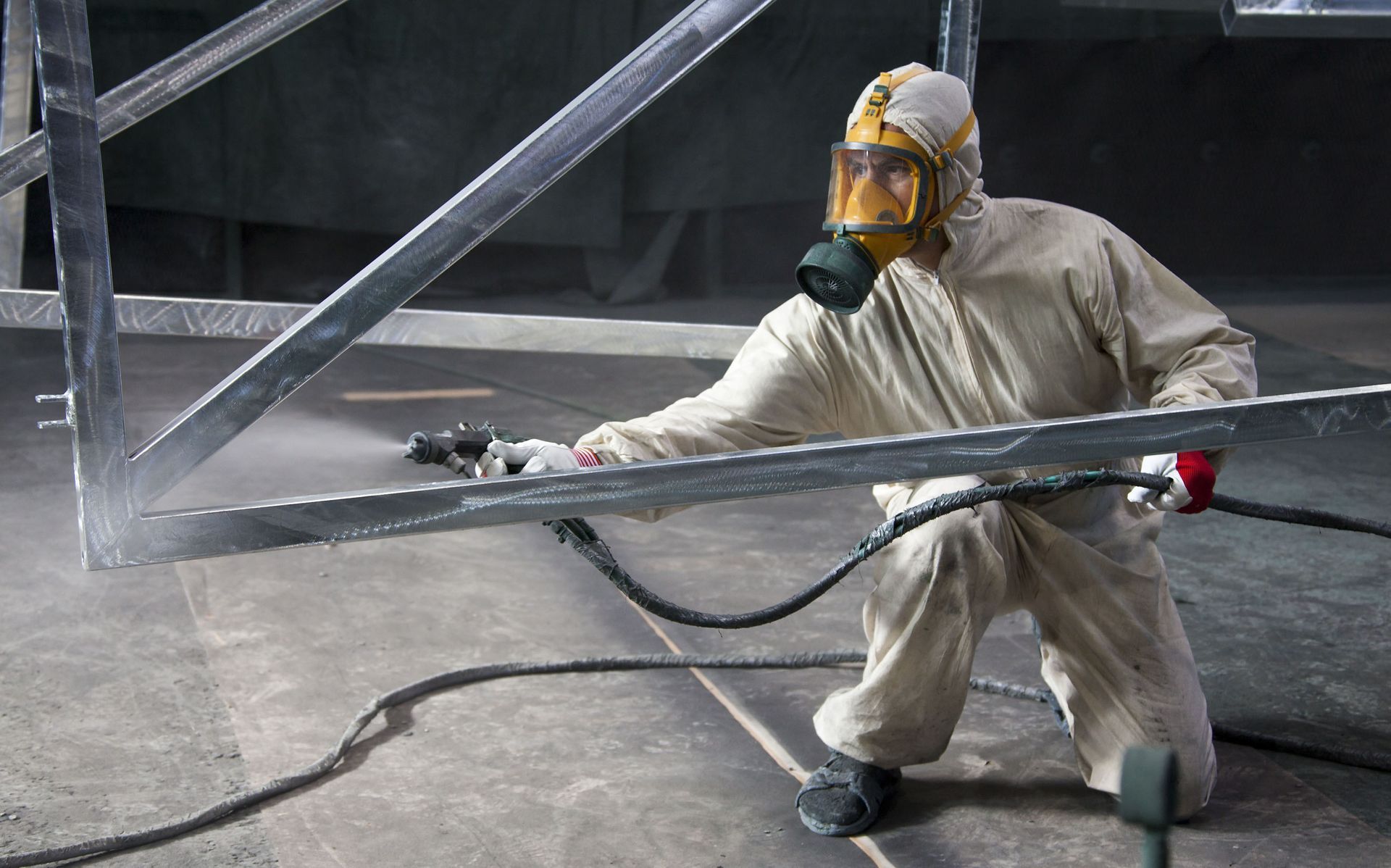
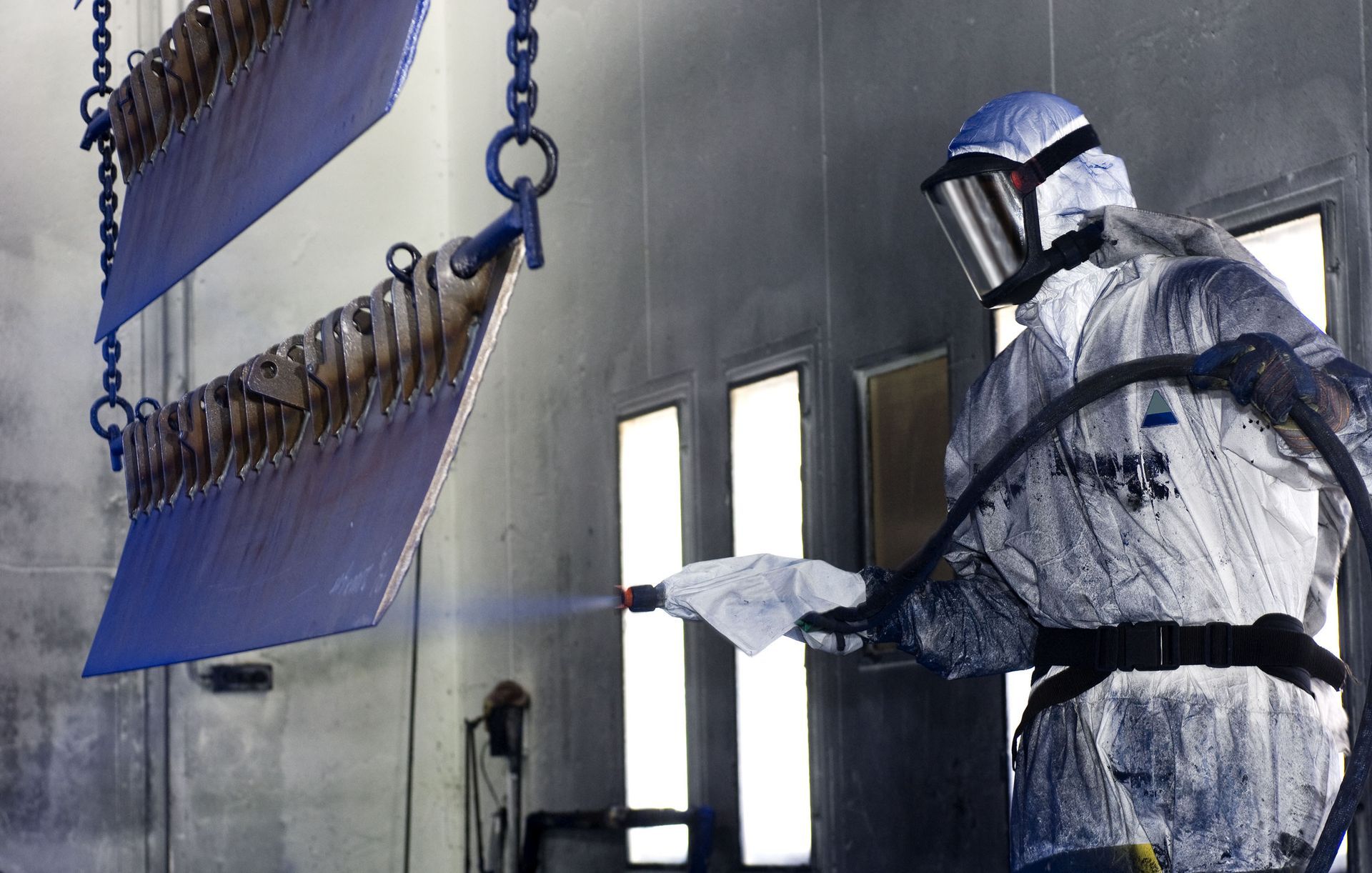
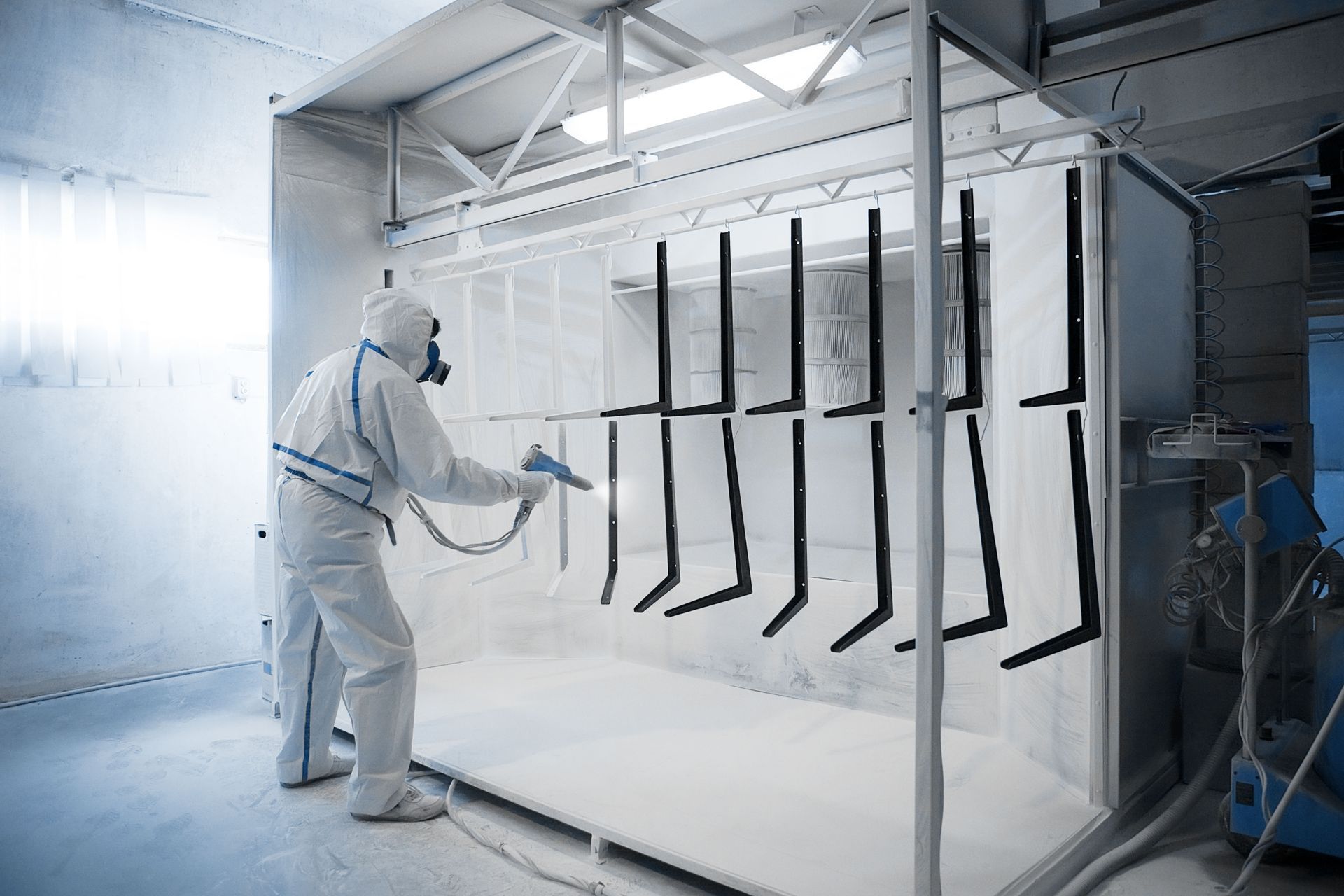
Powder coating is a finishing process wherein a dry powder is electrostatically applied to a metal surface. After application, the coated surface is cured under heat, forming a durable layer that protects the underlying material. This process eliminates the need for solvents, rendering it both efficient and eco-friendly. The choice of powder varies based on the intended application, ensuring optimal protection and finish quality. This seamless process transforms metal surfaces with enhanced toughness and vibrancy.
Historical Development
The journey of industrial powder coating dates back to the 1940s, marking a significant innovation in industrial finishing techniques. Initial methodologies were rudimentary, focusing on melting and dipping substrates. However, the 1960s saw a revolution with the advent of electrostatic spraying techniques. These advancements have continually evolved, with new technologies optimizing application precision and efficiency. Powder coating's developmental trajectory echoes the relentless pursuit of superior metal finishing solutions.
Comparison with Other Coating Methods
When juxtaposed with traditional methods like painting or electroplating, industrial powder coating offers a range of superior benefits. Unlike liquid paints, powder coatings contain no volatile organic compounds (VOCs), making them a greener alternative. Additionally, powder coatings tend to deliver smoother and more durable finishes compared to their traditional counterparts. Electroplating, while effective, often involves hazardous chemicals, whereas powder coating relies on static electricity and heat. This simplicity makes industrial powder coating increasingly preferred in industries prioritizing sustainability and efficiency.
Key Industries Utilizing Powder Coating
The widespread adoption of industrial powder coating spans diverse industries, underlining its versatile applicability. Notable sectors include automotive, architecture, and consumer goods, where durability and aesthetic appeal are paramount. The marine and aerospace industries also leverage powder coating for its protective properties against harsh environments. As the U.S. industrial powder coating industry anticipates a growth rate of 4.11% by 2031, according to MarketsandMarkets, its relevance across sectors is undeniable. This growth reflects a broader trend towards sustainable and efficient metal finishing solutions.
Considering the Benefits of Powder Coating
Durability and Protection
Powder coating is revered for its exceptional durability, offering long-lasting protection for metal surfaces. The curing process creates a hard finish that resists fading, chipping, and scratching. This protection is critical in environments where metals are exposed to extreme conditions. Beyond physical durability, powder coatings offer resistance to UV radiation, moisture, and chemicals, preserving the structural integrity of the metal beneath. Hence, industries favoring longevity and reliability in metal products consistently turn to powder coating solutions.
Environmental Sustainability
Environmental sustainability emerges as a defining advantage of powder coating, distinguishing it from liquid alternatives. The process produces negligible VOC emissions, contributing to cleaner air and reduced pollution. Additionally, the overspray in powder coating can be retrieved and reused, minimizing waste. This capability aligns with global movements towards sustainable and eco-friendly industrial practices. Within this framework, powder coating serves as a benchmark in the transition to greener manufacturing techniques.
Cost-Effectiveness
The economic benefits of industrial powder coating extend from cost savings in materials to reduced operational expenses. The absence of volatile solvents reduces handling and storage costs, while the reusable nature of overspray curtails material wastage. Moreover, its longevity equates to fewer reapplications, leading to maintenance savings over time. When these factors are juxtaposed with the high-quality finish it delivers, the cost-effectiveness of powder coating becomes apparent. This fiscal prudence continues to drive its adoption among industries worldwide.
Aesthetic Flexibility
Aesthetic flexibility in industrial powder coating allows for a diverse range of color finishes and textures, appealing to various consumer aesthetics. The process supports a multitude of design choices, from smooth and matte to metallic and glossy finishes. Custom color matching is possible, enabling brand-specific requirements for products. This versatility plays a crucial role in sectors like architecture and consumer electronics, where appearance is as vital as functionality. Thus, powder coating stands as a prime choice for achieving stunning, aesthetic, and durable finishes.
Understanding the Powder Coating Process
Pre-Treatment and Surface Preparation
Effective industrial powder coating hinges on meticulous pre-treatment and surface preparation, establishing a foundation for coating adhesion. This involves cleaning, degreasing, and sometimes etching the metal to eliminate contaminants and enhance surface texture. The process ensures the powder adheres uniformly, preventing flaws like peeling or bubbling. Pre-treatment varies based on the metal type, with chemical baths or abrasive blasting being common techniques. This step is indispensable, emphasizing the critical nature of preparation for premium coating quality.
Powder Application Techniques
Various application techniques are employed to suit different production demands and substrate types. The most prevalent method involves electrostatically charging powder particles, which then adhere to the grounded metal surface. Other techniques include fluidized bed coating, where heated parts are dipped into aerated powder particles. Choice of technique hinges on factors like production scale, object complexity, and desired finish. Regardless of the method, precise application is crucial for achieving the optimal protective and decorative outcomes.
Innovations in Powder Coating Technology
Technological innovations are revolutionizing industrial powder coating, enhancing efficiency, precision, and sustainability in the process. Ultrafine powders and smart coatings are emerging, offering self-healing properties and adaptive responses to environmental changes. Automation streamlines application processes, reducing human error and ensuring consistent finish quality. Furthermore, energy-efficient curing technologies are lowering operating costs and environmental impact. These advancements signal a dynamic future for powder coating, poised to meet evolving industrial and environmental demands.
Considering the Challenges and Limitations of Powder Coating
Limitations in Application
Despite its numerous advantages, powder coating faces limitations in applicability across all sectors. Its reliance on an electrostatic charge can pose challenges when coating non-metal or heat-sensitive substrates. Additionally, achieving uniform coatings on complex shapes can be difficult, leading to inconsistent finishes. While advancements in formulation and application techniques persist, specific scenarios necessitating high-precision finishes still prefer alternative methods. Understanding these limitations is imperative for aligning powder coating applications with realistic outcomes.
Issues with Complex Geometries
Complex geometries present notable challenges in achieving uniform coverage during powder coating applications. Sharp corners, recesses, and intricate designs may result in insufficient coating thickness or overspray. Such inconsistencies can compromise the protective and aesthetic qualities of the coating, prompting manufacturers to adopt hybrid coating strategies. Application techniques continue to evolve, with technologies like electrostatic bells or advanced robotics offering solutions for complex geometries. Addressing these challenges is vital for ensuring the integrity and uniformity of powder-coated finishes.
Equipment and Training Costs
The initial setup of powder coating operations entails significant investment in equipment and training. Specialized machinery, including application booths and curing ovens, involves considerable capital expenditure. Additionally, training personnel to competently operate and maintain equipment necessitates a financial commitment. While automation reduces some costs, the demand for skilled operators remains high. These financial considerations highlight the need for strategic planning and ROI evaluation when adopting powder coating technologies.
Industrial powder coating remains a cornerstone of metal protection, balancing durability, aesthetics, and environmental sustainability. This article illuminates its complexities, from the foundational processes to the challenges and innovations defining its evolution. As industries worldwide pivot towards more sustainable practices, powder coating's relevance and importance will only continue to grow. Its future is bright with innovations poised to expand its applications and improve performance even further. Powder coating stands as a testament to how engineering and ecological sensibilities can coalesce for truly transformative finishes. If you're looking for industrial powder coating services, contact MC Custom Coatings and Design today.